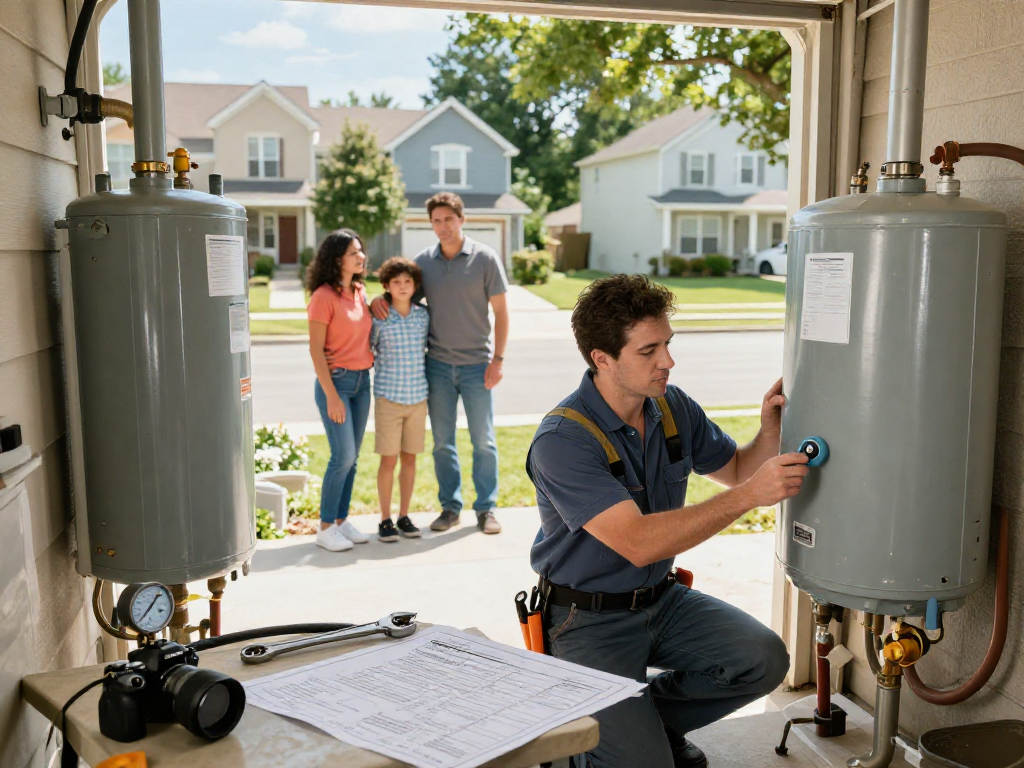
Understanding the Importance of Water Heater Maintenance
Water heaters are essential components of any home, providing hot water for showers, dishwashing, laundry, and various other daily tasks. However, like any appliance, they require regular care and maintenance to operate efficiently. Neglecting water heater upkeep can lead to various problems, including higher utility bills, reduced efficiency, and even premature failure. Homeowners in Fort Worth often seek out reliable services for direct water heater repair Fort Worth to ensure that their systems are functioning optimally. This article delves into the importance of water heater maintenance, highlighting the benefits of regular inspections, identifying when repairs are needed, and how to schedule these vital services.
Why Regular Inspections Are Crucial
Regular inspections of your water heater can prolong its life and maintain its efficiency. During these inspections, technicians can identify potential issues before they escalate. For instance, sediment buildup can cause overheating, while signs of rust may indicate leaks or corrosion. An annual inspection can save homeowners money in the long run by preventing costly repairs or complete replacements.
Common Signs Your Water Heater Needs Repair
Homeowners should be aware of several warning signs that indicate a malfunctioning water heater. These may include:
- Inconsistent Water Temperature: Fluctuations in water temperature may signal a failing thermostat or heating element.
- Strange Noises: Rumbling or banging noises often point to sediment buildup that can diminish efficiency.
- Water Discoloration: Rusty or discolored water suggests possible corrosion within the tank.
- Leaking Water: Puddles or moisture around the heater indicate that a leak is present.
How to Schedule a Maintenance Check
Scheduling a maintenance check is straightforward. Most plumbing services offer convenient online booking or phone appointments, allowing homeowners to choose a time that works best for them. It’s advisable to book a service during off-peak hours to ensure quicker service and availability.
Identifying Water Heater Problems Early
Being proactive about identifying water heater issues can save homeowners significant time and money. Knowing the signs of a failing water heater allows for meaningful intervention before complete failure occurs.
Key Indicators of a Failing Water Heater
In addition to the previously mentioned signs, homeowners should also watch for:
- Unpleasant Odors: A foul smell may indicate bacterial growth or sediment build-up.
- Increased Utility Bills: A spike in energy costs can suggest that your heater is working harder than it should.
- Age of the Heater: Most water heaters last about 10-15 years; if your unit is older, consider an inspection.
Common Misconceptions About Water Heater Lifespan
Many homeowners believe that as long as their water heater is producing hot water, it is functioning correctly. However, just because it's operational doesn’t mean it is working efficiently. Regular maintenance can extend the life of your water heater and improve its performance.
Steps to Take When Issues Arise
If you notice any of the signs mentioned earlier, it’s essential to act promptly. First, turn off the power supply to the water heater and shut off the water supply to prevent further damage. Next, contact a professional to inspect the unit and provide guidance on whether repair or replacement is necessary.
Choosing the Right Water Heater for Your Home
When considering a new water heater, it’s crucial to assess your home’s needs and choose a unit that will meet those requirements efficiently. Factors such as the size of your household, energy efficiency, and available space can all influence your decision.
Tank vs. Tankless: Which Is Right for You?
The primary decision for many homeowners is whether to choose a tank or tankless water heater. Tankless heaters are more energy-efficient and can provide endless hot water, but they can also be more expensive upfront. On the other hand, traditional tank heaters are generally cheaper to install but can run out of hot water during heavy usage.
Understanding Energy Efficiency Ratings
When choosing a water heater, look for the Energy Factor (EF) rating. This rating indicates the heater’s efficiency, with a higher EF value representing better efficiency. Energy-efficient models can significantly reduce utility costs over time.
How to Properly Size Your Water Heater
Proper sizing is critical for ensuring that your water heater meets your home’s demand. A good rule of thumb is to calculate the number of gallons of hot water your household is likely to use at peak times, and then select a unit that can meet that demand comfortably. A professional plumber can assist with this calculation, ensuring your new heater is the right fit.
Emergency Plumbing Situations: What to Do
In plumbing emergencies, quick action is vital. Knowing how to respond can minimize damage and reduce repair costs. Here we explore common emergency scenarios and provide guidance on how to handle them effectively.
How to Respond to a Major Leak
Upon discovering a major leak, the first step is to locate your home’s main water shut-off valve and turn off the water supply. Next, assess the leak's source if it’s safe to do so and contain any flooding. It's essential to contact a plumbing professional immediately for assistance.
Steps to Take During a Plumbing Emergency
In addition to managing any leaks:
- Keep Calm: Panic can lead to poor decisions. Stay focused on resolving the issue.
- Document the Issue: Take photos of any damage for insurance purposes.
- Contact Your Insurance: Notify your insurance provider of significant damage caused by the plumbing issue.
When to Call for Professional Help
It's best to consult a professional plumber for any situation you're unsure about. Often, plumbing systems are complicated, and attempting repairs without expertise can lead to more damage or safety hazards.
Looking Ahead: Plumbing Trends and Technologies for 2026
As technology advances, plumbing practices are also evolving. Homeowners should stay informed about the latest developments to make educated decisions regarding their plumbing systems.
Innovative Water Heater Technologies
New technologies are emerging in the water heater market, including smart water heaters that allow homeowners to monitor and control their systems remotely via smartphone apps. These innovations can optimize energy use and improve efficiency.
Sustainability in Plumbing Practices
With a growing emphasis on sustainability, many plumbing companies are adopting eco-friendly practices. This includes the installation of energy-efficient fixtures and systems designed to conserve water and minimize energy use.
Future-Proofing Your Plumbing System
Investing in high-quality plumbing materials and staying updated on industry regulations can help future-proof your plumbing system. This proactive approach can prevent future issues and ensure that your system remains compliant with evolving standards.
What are the benefits of professional water heater repair?
Professional water heater repair ensures that issues are correctly diagnosed and fixed, prolonging the life of your unit and enhancing its efficiency. Technicians are trained to identify problems that an untrained eye might miss, providing peace of mind.
How often should water heaters be serviced?
It’s generally recommended to service your water heater at least once a year. Regular maintenance checks can help prevent breakdowns and ensure that the unit is operating at its best.
What should I do if my water heater leaks?
If your water heater begins to leak, immediately turn off the water supply and contact a plumbing professional. Attempting to fix the issue without expertise could result in further damage or safety hazards.
Can I install a water heater myself?
While some homeowners may be tempted to install a water heater themselves, it is often best to enlist the help of a professional. Not only can mistakes lead to inadequate installations, but they may also violate local plumbing codes.
What are the warning signs of a failing tankless water heater?
For tankless water heaters, watch for inconsistencies in water temperature, reduced water pressure, and unusual noises during operation. If you notice these signs, it’s essential to contact a plumbing technician promptly.